











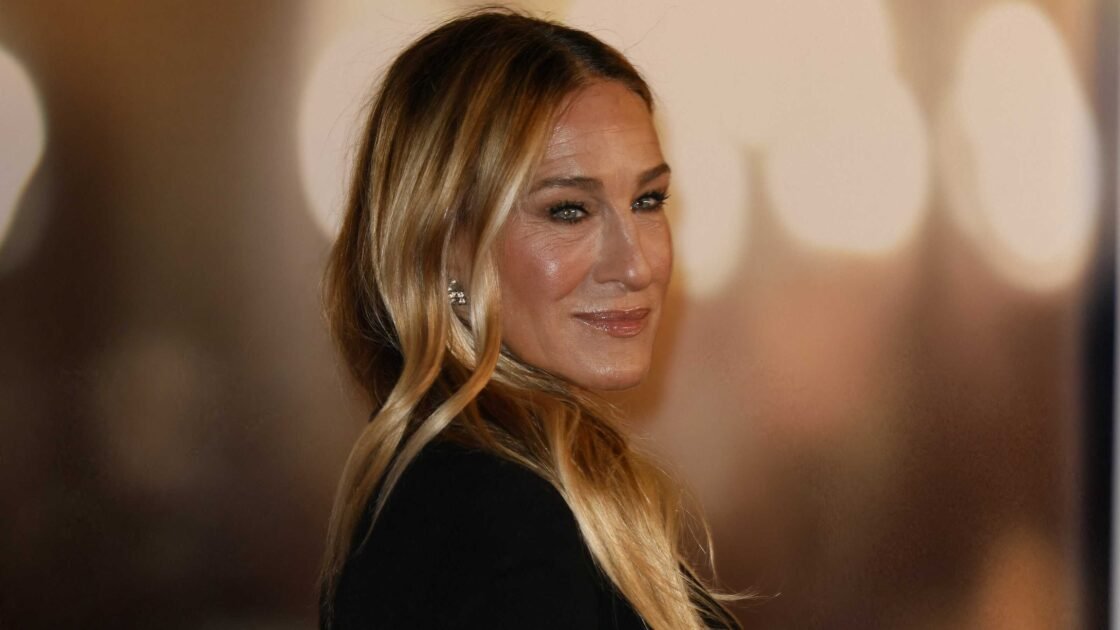

The "Big" Lie That Scammed a Generation
For over two decades, women across the globe have clung to the finale of Sex and the City as the ultimate gospel of modern romance. We watched Carrie Bradshaw, played by Sarah Jessica Parker, chase the emotionally unavailable Mr. Big across Manhattan for six agonizing seasons, only to finally snag him in Paris in a moment that was supposed to scream "happily ever after." But now, the real-life Carrie Bradshaw, creator Candace Bushnell, has stepped forward to shatter that illusion into a million Manolo Blahnik-sized pieces. In a shocking confession that validates every cynic who yelled at their TV screen in 2004, Bushnell admits the show’s ending was fundamentally wrong.
The narrative we were sold—that the brooding, non-committal bad boy will eventually change his stripes and rescue you—was nothing more than a Hollywood fabrication designed to placate a frenzied audience. Bushnell, whose newspaper column birthed the HBO juggernaut, has ripped the band-aid off the franchise's most controversial plot point. She is effectively telling millions of fans that the relationship they idolized was not just unrealistic; it was a fantasy that would have crashed and burned in the harsh light of reality.
Insiders and critics have long whispered that the pairing of Carrie and Mr. Big, portrayed by Chris Noth, was the definition of toxic dysfunction. Yet, the show enshrined them as the gold standard of "endgame" couples. Bushnell’s admission confirms that the creative team prioritized fan service over emotional honesty, creating a finale that felt good in the moment but rots the more you think about it. The "real" Carrie didn't end up with the "real" Big, because guys like that don't change. They just get older.
I knew it! Big was a red flag walking. Seeing the creator admit they wouldn't make it is the validation I needed.
Toxic Love: Why We Should Have Known Better
Let’s call a spade a spade: the relationship between Carrie and Mr. Big was a masterclass in gaslighting, emotional unavailability, and manipulation. For six seasons, we watched Big string Carrie along, marry another woman, cheat on that woman with Carrie, and then move to Napa, only to return whenever she seemed happy with someone else. It was exhausting. It was frustrating. And according to Bushnell, it was never meant to be a forever thing.
The creator’s comments to The Guardian peel back the glossy veneer of the show to reveal the ugly truth underneath. “In real life, Carrie and Big wouldn’t have ended up together,” Bushnell confessed. That sentence alone is enough to send die-hard fans into a spiral. The entire premise of the show’s romantic arc was built on a foundation that the creator herself didn't believe in. It raises the question: were we watching a romance, or a tragedy disguised as a comedy?
The on-again-off-again dynamic that kept viewers hooked was actually a cycle of abuse disguised as passion. By rewarding Carrie’s obsession with a ring and a walk-in closet, the show sent a dangerous message to a generation of daters: if you just suffer enough, he will eventually love you. Bushnell’s revelation is a stark reminder that in the real world, chasing a man who treats you like an option usually ends in therapy, not a penthouse on Fifth Avenue.
They were so toxic. Watching it back as an adult is painful. She should have picked herself, not the guy who jilted her.
The Audience Trap: Forced Into a Happy Ending
So, if the creator knew it was a lie, why did they do it? Why give us the Paris rescue scene? Why the wedding (eventually)? The answer is simple and somewhat depressing: money and ratings. Bushnell revealed that by the time the series finale rolled around, the show had become a cultural behemoth. The audience wasn't just watching; they were invested. They had lived through Carrie’s heartbreak, and they felt entitled to a payoff.
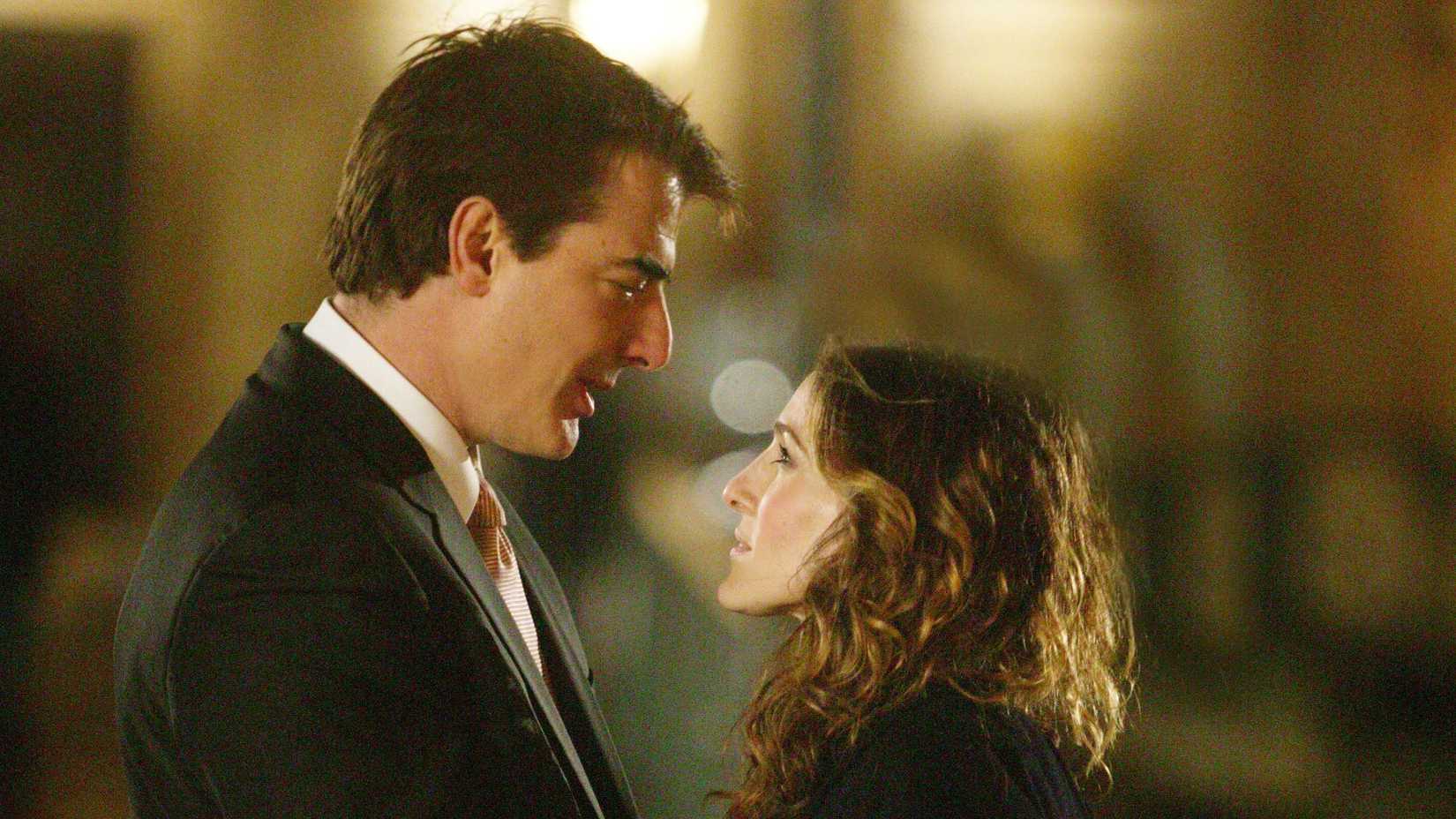
Bushnell explained that the viewers related so heavily to Carrie’s struggle that leaving her single—or worse, breaking them up for good—would have sparked a riot. The writers were effectively held hostage by the expectations of the fanbase. "Having them get back together for good was an ending for the audience," Bushnell noted. It wasn't for the characters. It wasn't for the story. It was for us. And in giving us what we wanted, they robbed the show of a potentially more powerful, albeit bitter, conclusion.
Imagine the backlash if Carrie had walked away from Big in Paris, chosen herself, and returned to New York as a single, successful woman who didn't need a man to complete her. It would have been revolutionary. Instead, we got the fairy tale. We got the "John" name reveal. We got the closure that feels increasingly hollow with every passing year.
The Movie Meltdown: Doubling Down on Dysfunction
If the series finale was a white lie, the subsequent movies were a bold-faced perjury. While the show ended on a high note of romantic bliss, the films were forced to deal with the reality of that "happy ending." And guess what? It was a disaster. The first movie famously saw Big jilt Carrie at the altar—a move that was so on-brand for his character it hurts, yet the script twisted itself into knots to forgive him.
Bushnell’s comments cast a shadow over these cinematic sequels as well. The movies proved that even after the "happily ever after," the toxicity remained. They couldn't just be happy; Big had to panic, and Carrie had to kiss Aidan in Abu Dhabi. The cracks in the foundation were always there, patched over by designer labels and clever voiceovers.
Even though the movies tried to maintain the illusion that they belonged together, the narrative struggle was evident. They had to keep inventing reasons for them to be apart because a stable, happy domestic life for Carrie and Big was impossible to write—mainly because, as Bushnell notes, they weren't meant to be together in the first place.
The movies just made it worse. He leaves her at the altar and she takes him back? Stand up, Carrie!
The Real-Life Inspiration vs. TV Fiction
It is important to remember that Carrie Bradshaw wasn't just a character; she was an avatar for Candace Bushnell herself. The column was based on her life, her friends, and her dating disasters in New York City. The fact that the "real" Carrie is telling us that the "TV" Carrie got it wrong adds a layer of meta-tragedy to the whole saga.
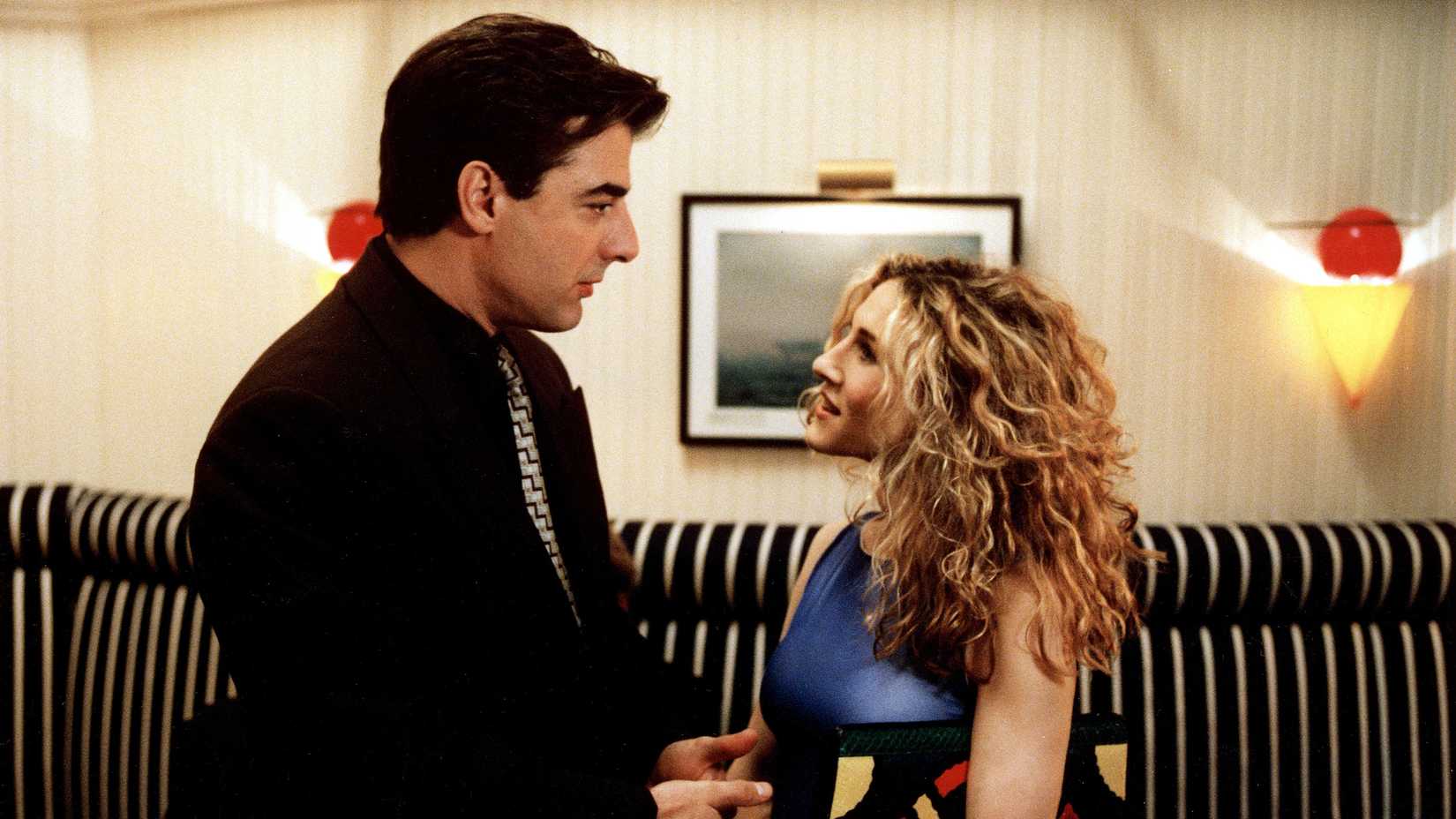
Bushnell lived the life. She dated the men. She navigated the treacherous waters of Manhattan society. Her admission is coming from a place of experience. She knows that men like Big—wealthy, powerful, emotionally stunted titans of industry—don't suddenly develop a conscience because you look good in a dress in Paris. They stay who they are.
The divergence between Bushnell’s reality and Darren Star’s televised vision is where the friction lies. Star created a hit TV show that needed to follow the rules of a romantic comedy. Bushnell wrote a column about the brutal reality of sex. When those two worlds collided in the finale, the rom-com won, and the truth lost.
The Legacy of the "Big" Mistake
What does this mean for the legacy of Sex and the City? It remains one of the best TV shows of all time, a groundbreaking exploration of female friendship and sexuality. But its central pillar—the romance that anchored the series—is now officially tainted. We can no longer watch the finale with the same starry-eyed optimism.
Knowing that the creator effectively views the ending as "wrong" changes the re-watch experience. Every time Big jerks Carrie around in Season 2 or Season 3, we aren't watching the obstacles on the way to true love; we are watching the warning signs of a train wreck that the writers refused to let happen. It validates every argument you've ever had with a friend who said "Aidan was better." (He was, by the way).
The show taught women to value their friendships, their careers, and their shoes. But it also taught them that if you wait long enough, the toxic guy will come around. Bushnell is finally correcting the record: No, he won't. And frankly, that is a lesson that is about twenty years too late for some of us.
Cliffhanger: Will the Reboot Fix the Past?
With the franchise continuing to evolve, and the conversation around Carrie’s life constantly shifting, one has to wonder if the story is truly over. Bushnell’s comments open the door for a re-examination of everything we saw on screen. Did Carrie ever truly find peace, or did she just settle for the man she was addicted to?
As fans continue to dissect the series, the specter of "what could have been" looms large. Would Carrie have been happier alone? Would she have found a partner who actually respected her from day one? We will never know. All we know is that the woman who started it all thinks the ending was a mistake. And in the world of Sex and the City, her word is law.
The fairy tale is dead. Long live the reality check.