















THE CORPORATE CO-OPT: Why Kering’s ‘Feminist’ Gala Rings Hollow
The French Riviera just hosted a spectacular fashion show disguised as a humanitarian event! The Kering Women In Motion Awards at the Cannes Film Festival brought out a dazzling array of A-list stars, including Uma Thurman, Salma Hayek, and Zoe Saldana, all draped in glittering, high-end designer gowns. But behind the beautiful dresses and smiling speeches about “gender equality” lies a cynical, calculated PR operation orchestrated by a corporate giant.
The entire event was founded by Kering, the luxury conglomerate run by billionaire CEO François-Henri Pinault—Salma Hayek’s husband. Insiders are whispering that this annual gala is less about genuinely fixing gender disparity in the arts and more about exploiting feminist messaging to generate massive, positive publicity and sell expensive luxury goods under the guise of philanthropy. The message: You can fight for women while wearing a $, Gucci gown.
Hayek’s Role: The Ultimate Corporate Wife Brand Ambassador
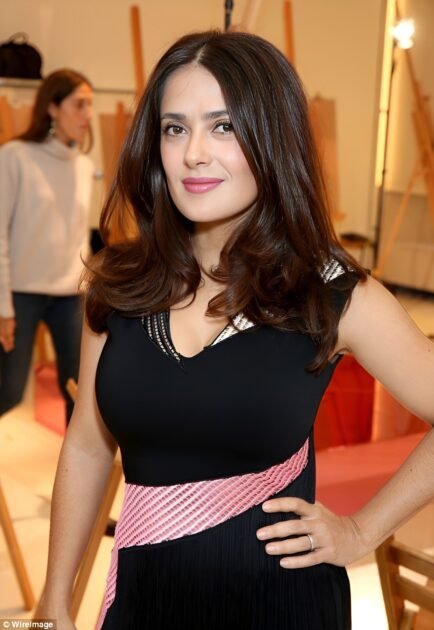
Salma Hayek’s presence at the event was not just as an esteemed actress; it was as the ultimate corporate spouse and brand ambassador. She commanded attention in a striking asymmetrical mauve gown that was lavishly adorned with gleaming sequins and intricate floral patterns. Her entire look screamed wealth, power, and high-fashion exclusivity—a direct reflection of the brands Kering owns.
Hayek was strategically accompanied by her husband, Pinault himself, whose presence underscored the event’s “celebration of women’s achievements.” But the optics are glaring: The world’s most powerful luxury executive is hosting a gala about feminism, flanked by his wife in a dress that functions as a walking, talking, multi-million dollar advertisement for his company. This is PR perfection, built on a foundation of deep-seated corporate self-interest.
Uma Thurman’s Unflappable Elegance vs. The Corporate Agenda
Even stars like Uma Thurman, known for her unflappable elegance, were used to lend credibility to the event. Thurman, at , looked timeless in a pleated grey gown, symbolizing classic Hollywood glamour. Diane Kruger, Zoe Saldana, and Michelle Yeoh all brought high-wattage star power, ensuring the red carpet photos dominated global media coverage.
But their stunning elegance simply serves to fuel the Kering machine. Every beautiful shot of these leading ladies is a direct benefit to the company’s brands. The question is, are these talented women truly there solely to champion equality, or are they implicitly supporting the corporate entity that bankrolls the entire operation, turning their presence into a form of high-level endorsement?
The Fashion-Forward Flaws: Zoe Saldana’s Cutouts and Eva Green’s Androgyny
The fashion at the gala was specifically designed to be highly controversial and highly clickable. Zoe Saldana brought the sex appeal in a sleek black satin gown with daring cutouts and a backless design, ensuring maximum traffic. Eva Green made an androgynous statement, substituting the traditional gown for smart trousers and an oversized tuxedo jacket.
The extremes—from Greta Gerwig’s pink, feathered “Barbie” homage to Charlotte Gainsbourg’s edgy grunge chic—were carefully selected to guarantee press coverage beyond the typical fashion circuit. The strategy is clear: Use shock value and trend-setting looks to ensure the Kering name is synonymous with cultural relevance and innovation, completely overshadowing the genuine issues of gender parity the event claims to champion.
The Money Trail: Is The Event’s Mission Being Diluted?
Kering launched the Women In Motion initiative in , ostensibly to shine a spotlight on women’s vital contributions to filmmaking. But with the CEO’s wife being the primary visual anchor and the entire event being a showcase for Kering-owned luxury brands, the mission’s integrity is fiercely questioned.
Insiders suggest that for every meaningful conversation about diversity or funding women filmmakers, there are ten more focused on dress fittings, jewelry loans, and red carpet logistics. The sheer commercial opulence of the event—the dazzling diamonds, the exclusive gowns—is ironically the biggest barrier to the mission’s success, reinforcing the very exclusivity and wealth disparity that the arts should be challenging.
The Cliffhanger: What Happens When The Kering Money Runs Out?
The Kering Women In Motion Awards was a dazzling success—for the Kering brand. Salma Hayek led the charge, flawlessly playing the role of the glamorous, supportive wife and brand ambassador. But the entire spectacle raises a chilling question: If Kering were not the primary sponsor, would this “Women In Motion” event even exist?
The reliance on corporate funding, and the aggressive use of feminist talking points to sell luxury goods, leaves a bitter taste. We are watching to see if the powerful women who attended can translate this high-profile visibility into genuine, systemic change—or if this annual gala remains nothing more than a highly polished, incredibly expensive PR shield for the billionaire behind the curtain.


