














Streaming Suicide: The Numbers Do Not Lie
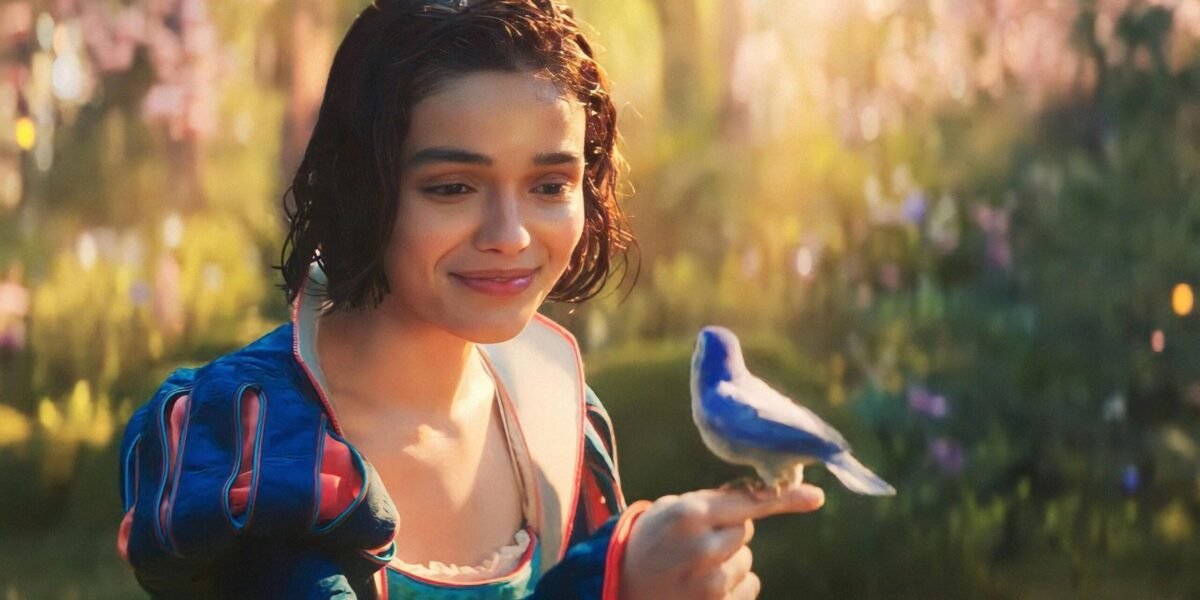
Disney thought they could hide the massive failure of the Snow White live-action remake behind a streaming paywall, but the truth is finally leaking out. After a disastrous theatrical run that left the studio with a gaping hole in its wallet, the movie is now plummeting on the Disney Plus charts. In a shocking drop, the film has already slid down three spots in the United States Top rankings in just a matter of days. It turns out, even when it is “free” with a subscription, audiences are swiping past this poison apple of a project.
The numbers are absolutely brutal for a film with an insane three hundred million dollar budget. We are talking about a project that only managed to scrape together one hundred eighty million dollars at the global box office. That is not just a flop; it is a financial execution. While the studio tried to spin a win by pointing to international streaming numbers, the crucial U.S. market is speaking loud and clear: they are over it. The initial curiosity has evaporated, leaving Disney with a very expensive, very digital paperweight.
Insiders are whispering that the vibe inside the Mouse House is pure panic. Execs were banking on a long-tail streaming success to mitigate the theatrical bloodbath, but that hope is fading fast. When people are not even willing to watch a movie from their own couch, you know the brand is in serious jeopardy. The rapid decline in viewership suggests that the word of mouth is toxic, and the stay-at-home crowd is just as unimpressed as the theater-goers were back in March.
Set Civil War: The Zegler And Gadot Bloodbath
Why is this movie failing so hard? Look no further than the ugly public feud that turned the production into a war zone. Sources from the set confirmed that lead star Rachel Zegler and Gal Gadot had absolutely nothing in common, and the tension was thick enough to cut with a sword. While the PR team tried to paint a picture of professional harmony, the reality was a set divided by politics and personality clashes that made filming a total nightmare.
Rachel Zegler did not help matters by going on a scorched-earth press tour before the movie even had a trailer. By mocking the original masterpiece and calling the Prince Charming storyline “weird,” she managed to alienate the very nostalgic fan base Disney needed to survive. Meanwhile, Gal Gadot was dealing with her own firestorm of political backlash. The result? A film that was boycotted from both sides of the political aisle. It is almost impressive how they managed to make a movie that literally nobody wanted to defend.
I have never seen a lead actress trash the source material like that. It made me want to skip the movie entirely regardless of who was in it.
The internal chaos was a direct contributor to the film’s flatline. When your two biggest stars cannot stand to be in the same room for a promo shoot, the audience feels that awkwardness. Gadot herself has hinted that the relentless pressure and political climate surrounding the film contributed to it tanking. It was a movie born in conflict, and it is currently dying in public shame.
Creative Suicide: The Changes Fans Hated
Beyond the backstage drama, the actual movie was a confusing mess of “modern updates” that left fans fuming. Disney decided to ditch the iconic Seven Dwarfs in favor of a “reimagined” group, and they swapped out the Prince for a rogue bandit named Jonathan. These radical changes were a middle finger to the fans of the original, and the critics noticed. With a miserable thirty-seven percent approval rating on Rotten Tomatoes, the professionals were just as unimpressed as the trolls.
The plot was rewritten into a heavy-handed political allegory about Snow White reclaiming her kingdom from a “dark grip,” losing the magic and charm that made the story a classic in the first place. This was not a fairy tale; it was a lecture. Even the audience score, which was slightly higher, could not save the project from the reality that the “color-blind casting” and story overhauls created a lightning rod for controversy that eventually electrocuted the entire production.
Audience fatigue is real, and Disney learned the hard way that you cannot just slap a famous name on a political manifesto and expect families to show up. The backlash was not just about one thing; it was a perfect storm of bad decisions, expensive reshoots, and a total lack of respect for the source material. The studio spent three hundred million dollars to produce a film that most people find unwatchable.
The Tangled Trap: Future Projects On Life Support
The ripple effect of the Snow White disaster is already tearing through the studio. Reliable reports are coming in that the planned live-action remake of Tangled has been put on immediate hold. Disney is finally waking up to the fact that their live-action strategy is in a state of total collapse. If a powerhouse like Snow White can fail this spectacularly, no property is safe from the stink of failure.
The studio is now in crisis mode, forced to re-evaluate every single remake on their slate. They have realized that controversial casting and thematic overhauls are poisoning the well. The cost of the Snow White flop goes way beyond the hundreds of millions lost; it has damaged the Disney brand’s integrity. They have effectively killed the cash cow that has sustained them for the last decade.
If they ruin Tangled like they ruined Snow White there will be a literal revolt from the fans. Disney needs to stop before they break everything.
Executives are reportedly scrambling to find a way to return to the “original recipe” for success, but it might be too late. The trust is broken. The streaming decline proves that the audience is not just staying away from theaters; they are tuning out the brand entirely. Disney is now in a danger zone where even their most bankable stars and stories are being met with a collective shrug from the public.
The $ Million Hole: Where Did The Money Go
How do you spend three hundred million dollars and end up with a movie that looks like a streaming reject? That is the question stockholders are asking. The ballooning budget was the result of endless reshoots, delays, and massive security costs to deal with the ongoing protests and set drama. It is a textbook example of Hollywood hubris. They thought they were too big to fail, and they spent money like it was water while the production was sinking like the Titanic.
The financial scandal here is the lack of oversight. Disney allowed a project to become a political lightning rod while the budget spiraled out of control. Now, they are left with a colossal loss that will take years to recover from. Every day that Snow White sits at the bottom of the streaming charts is another day of humiliation for a studio that used to be the gold standard for family entertainment.
The international “success” that the PR team keeps touting was a mirage. Topping the charts in a few countries for a single weekend means nothing if you cannot sustain momentum in the U.S. market. The reality is that the film has no staying power. It is a one-and-done watch for the curious, and a hard pass for everyone else. The “poisonous” nature of the production has ensured that it will never become a classic.
The Final Verdict: Is The Magic Dead
The plummeting ratings for Snow White are the final nail in the coffin for a project that was doomed from the start. Between the star feuds, the creative confusion, and the toxic politics, there was never a chance for this film to succeed. Disney gambled billions on the idea that they could force-feed the public a version of a classic they did not want, and the public pushed the plate back.
The question now is whether Disney will learn their lesson or continue to gamble billions on controversial remakes that alienate their core audience. Will they return to the original recipe of magic and wonder, or will the Snow White disaster force them to abandon the live-action strategy entirely? The future of Disney’s fairy tales is currently on ice, and it is all thanks to a poisonous apple they grew themselves.
As the ratings continue to slide into the abyss, one thing is clear: the audience has won. They have sent a message that no amount of star power or studio muscle can overcome a bad story and a hostile set. Is this the end of the Disney era as we know it, or just a very expensive wake-up call? Only time will tell if the Mouse can find its way out of the woods, or if the mirror on the wall has finally shattered for good.
Would you like me to dig deeper into the secret “emergency meetings” happening at Disney headquarters regarding the future of their live-action slate?