












SHOCK & AWE: The Rarest Art In Hollywood Is The Killer Finale
Listen up, Hollywood! We’re sick of the botched conclusions, the cheap twists, and the rushed cash-grabs. In the cutthroat world of thriller television, the finale is the ultimate test, and most shows fail spectacularly. They stumble under the pressure, they get axed by network suits, or they simply collapse under the weight of their own ambition.
But the rare successes? They don’t just tie up plot threads—they are inevitable yet shocking, rewarding yet devastating. These unforgettable conclusions prove that sticking the landing is not just important; it defines the legacy of the entire series. It’s no coincidence that the finales that truly satisfied fans belong to some of the best, most respected TV thrillers of all time.
These masterpieces managed the impossible balance: huge payoff, shocking surprise, and airtight narrative logic. It’s time to break down the final moments that cemented these shows as the gold standard of storytelling.
SHARP OBJECTS: The Chilling Twist That Shattered Amy Adams’ World
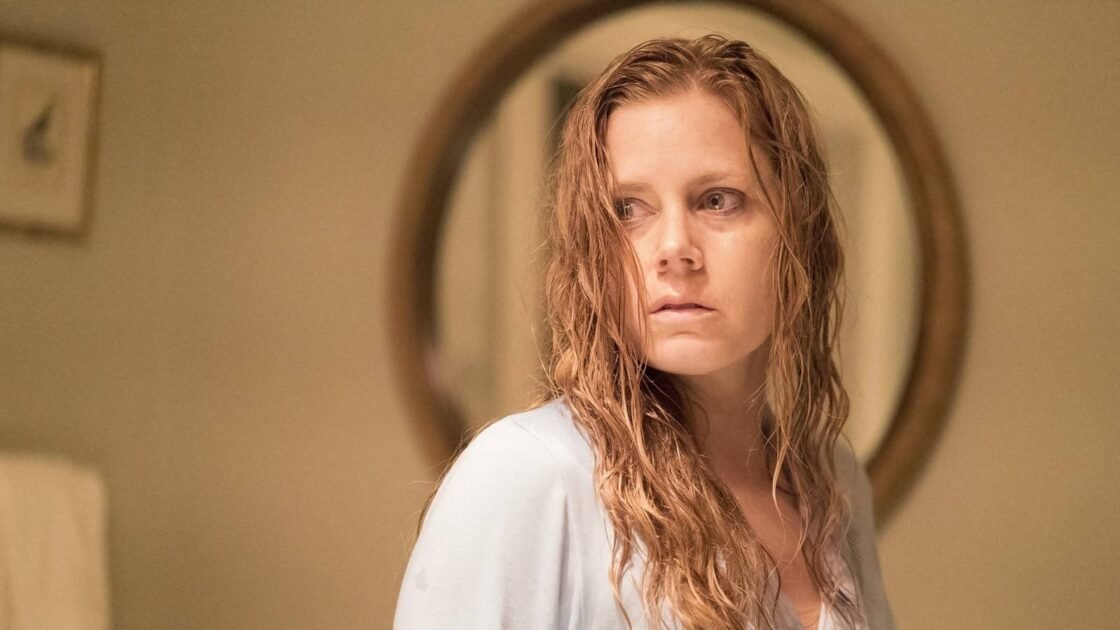
Eight episodes. That’s all HBO’s Sharp Objects needed to leave an indelible, deeply disturbing mark on the thriller genre. Following Camille Preaker (Amy Adams), a troubled journalist investigating murders in her tiny, claustrophobic Missouri hometown, the miniseries saved its most devastating blow for the very last seconds.
What makes this finale unforgettable is how ruthlessly it subverted audience expectations. For eight episodes, we were focused on a complex web of familial drama, alcohol abuse, and small-town secrets. But the actual truth—revealed in a two-second, post-credits flash—was a punch to the gut that felt both shocking and completely earned.
By keeping its cards hidden until the final seconds, Sharp Objects delivered one of the genre’s most haunting, chilling, and utterly perfect drop-the-mic moments. You’ll never look at a loving mother the same way again. Never.
THE SHIELD’S IRONY: Vic Mackey Gets A Punishment Worse Than Death
The finale of FX’s The Shield, titled “Family Meeting,” is a masterclass in narrative irony and moral consequence. For seven seasons, we watched the corrupt, sociopathic cop Vic Mackey (Michael Chiklis) manipulate, murder, and skate by on a web of lies and violence. Fans expected him to go down in a blaze of glory—or end up rotting in a prison cell.
But creator Shawn Ryan delivered something far more soul-crushing: banality. Vic’s punishment was being stripped of his power, his friends, and his family, condemned to a desk job under constant, humiliating surveillance. The tragedy is that the antihero survived, but was sentenced to a hollow, irrelevant existence.
The finale delivered a perfect mix of irony and inevitability. That final, lingering image of Vic alone in the office, his gun in his hand, proved that irrelevance is a fate far worse than death or prison for an ego like his. It remains one of the greatest antihero endings in history.
OZARK’S RUTHLESS ENDING: The Price of the Byrde’s Survival
Netflix’s Ozark thrived on moral rot and relentless escalation. Over four tense seasons, Marty (Jason Bateman) and Wendy Byrde (Laura Linney) laundered millions for the cartel, leaving a trail of bodies in their wake. Their finale, “A Hard Way to Go,” was one of the most divisive conclusions ever broadcast—and it was brutally honest.
The Byrdes escaped the cartel and the legal system, but the price was devastatingly high. Ruth Langmore (Julia Garner), the fierce, fan-favorite heart of the show, was murdered in a shocking moment. This act hammered home the central theme: the Byrdes are a cancerous force, and their survival demands the sacrifice of anyone good around them.
The series concluded with a chilling, Sopranos-like cut-to-black, hinting that the cycle of violence would never end for the family. Ozark never promised redemption, and the finale refused to betray that bleak worldview. It was a dark, unyielding conclusion that left viewers shaken but narratively satisfied.
THE AMERICANS: Heartbreak Over High-Speed Chase
FX’s The Americans was never about explosions; it was about the slow, crushing human cost of espionage. The finale, “START,” avoided the traditional spy theatrics in favor of an emotional gut-punch that resonated globally. KGB spies Philip and Elizabeth Jennings (Matthew Rhys and Keri Russell) were forced to flee back to Russia.
The devastating consequence? They left their son, Henry, behind in the U.S., effectively tearing their family apart over ideology. The scene of the estranged couple standing in Moscow, haunted by their choices and their lost American lives, is one of the most poignant, powerful images in television history.
This finale worked because it stayed ruthlessly true to the show’s DNA. The emotional devastation of that separation proved that for the Jenningses, the price of their political mission was the complete destruction of their personal humanity. Heartbreak, not spectacle, earned this finale its masterpiece status.
️ MR. ROBOT: The Ultimate Twist That Rewrote Reality
USA Network’s Mr. Robot was always a bold, mind-bending thriller, but its final episodes, “Hello, Elliot,” delivered its most daring gamble. The series, following hacker Elliot Alderson (Rami Malek), dropped a twist so profound it recontextualized the entire four-season run without ever undermining it.
The stunning reveal: the Elliot we’d been following wasn’t the true Elliot, but one of several carefully constructed personas designed to protect him from crippling past trauma. The conclusion saw the “real” Elliot finally take control, beginning the long process of healing and coming to terms with his fractured reality.
By turning inward and focusing on psychological closure over spectacle, Mr. Robot delivered one of the boldest, most satisfying thriller endings of the modern era. It proved that a powerful finale can be quiet, personal, and deeply cathartic.
DARK’S SACRIFICE: Closing The Time Loop With Tears
Netflix’s German thriller Dark was a masterclass in convoluted, multi-generational time travel paradoxes. Fans worried the show would collapse under the weight of its own complexity. Yet, the finale, “The Paradise,” pulled off the impossible with grace and devastating emotion.
The show simplified its labyrinthine mythology into a single, beautiful sacrifice: protagonists Jonas and Martha faded from existence, sacrificing their own lives to ensure the survival of only the original world, finally breaking the knot of time loops.
The ending was brilliant because it prioritized human connection—love and sacrifice—over narrative complication. Dark proved that you can resolve the most intricate time-travel narrative in TV history and make the audience cry at the same time. It remains a masterclass in making convoluted mythology resonate on a human level.

The chilling final moments of Sharp Objects.

Vic Mackey’s soul-crushing finale.

The shocking murder of Ruth Langmore.

The heartbreaking separation in The Americans.

The emotional ending of Dark.

Elliot’s final persona reveal in Mr. Robot.

Walter White’s perfect, brutal closure.

The sobering montage of The Wire finale.

The philosophical conclusion of Devs.

The hopeful ending of Orphan Black.

The importance of sticking the landing.

The common failure of the genre.

Amy Adams’ complex character.

The unexpected nature of the Sharp Objects twist.

Alex Garland’s theme focus.

Lily Chan’s choice of free will.

The irony of Vic’s ending.

The main characters of Ozark’s moral decay.

The style of Ozark’s conclusion.

The core characters of The Americans.

The show’s focus on institutional flaws.

Walter White’s final form.

The complexity of Dark’s plot.

The way Mr. Robot changed the series.

The importance of emotional payoff.

The theme of sisterhood and survival.

Michael taking over Omar’s role in The Wire.

Dukie’s descent into addiction in The Wire.

The name of the Breaking Bad finale.

The star of Breaking Bad.

The visual of the final sacrifice.

The star of Mr. Robot.

The philosophical question in Devs.

The chilling final visual of Vic.

The hopeful nature of Orphan Black’s ending.

The uncompromising nature of Ozark’s ending.

The emotional focus of The Americans.

The authenticity of The Wire’s conclusion.

The highly regarded status of the Breaking Bad finale.

The success of Dark’s emotional resonance.

The shock and inevitability of Mr. Robot’s ending.

The quality of the final scenes.

The unforgettable final moment of Sharp Objects.

The nature of Vic Mackey’s fate.

Julia Garner’s critical character.

The leading stars of The Americans.

The complexity of Dark’s core plot.

The visionary behind Devs.

The core theme of The Shield.

The controversial nature of the Ozark finale.

The show’s central thesis.

The methodical build of Breaking Bad.

The mastery of emotion in Dark.

The internal focus of Mr. Robot’s ending.